


Custom RAG System Development
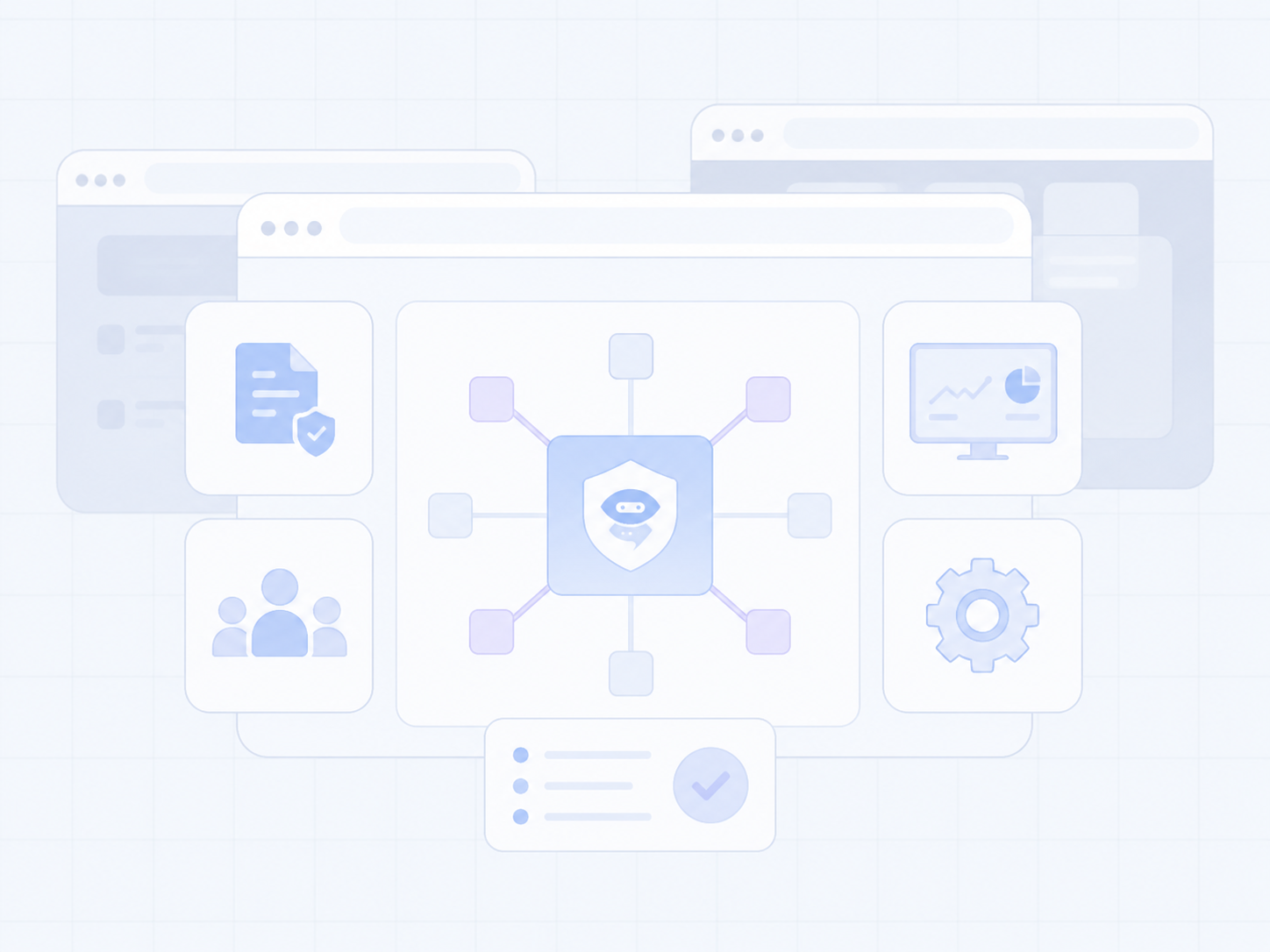
We design and develop tailored RAG architectures that connect LLMs with enterprise knowledge, enabling context-aware responses grounded in your proprietary business data.

Build intelligent AI applications that securely retrieve and use your enterprise knowledge. We develop production-ready RAG and knowledge retrieval systems that connect LLMs with business data, improve answer accuracy, reduce hallucinations, and deliver context-aware AI experiences.
Request a Consultation API{REST}
  OAuth
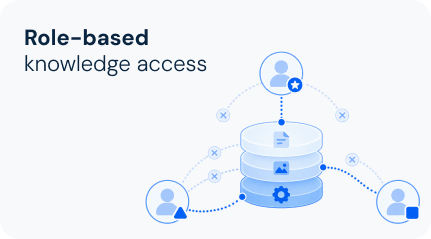
OAuth  RBAC
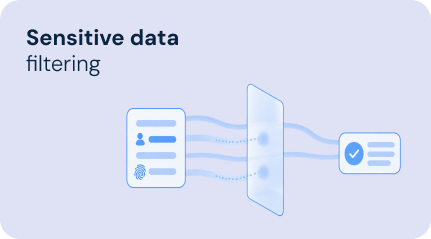
RBAC Data Privacy & Security – We align RAG architectures with GDPR, CCPA, ISO/IEC 27001, and enterprise security practices, protecting sensitive knowledge through encryption, access controls, secure data processing, and permission-aware retrieval.
AI Security & Retrieval Protection – We apply OWASP Top 10 for LLM Applications guidance to protect RAG systems against prompt injection, sensitive information disclosure, insecure retrieval, excessive agency, and other AI-specific security risks.
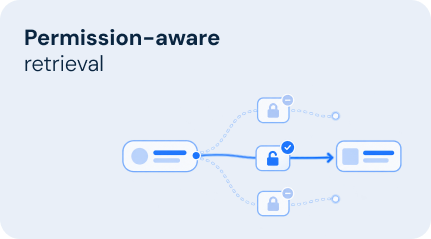
Permission-Aware Retrieval – We enforce user and role permissions throughout the retrieval process so RAG systems only access documents, records, and knowledge sources authorized for each user.
Document & Data Encryption – We protect enterprise knowledge during ingestion, storage, retrieval, and transmission using encryption, secure infrastructure, and appropriate security controls across vector databases and knowledge repositories.
We design and develop tailored RAG architectures that connect LLMs with enterprise knowledge, enabling context-aware responses grounded in your proprietary business data.
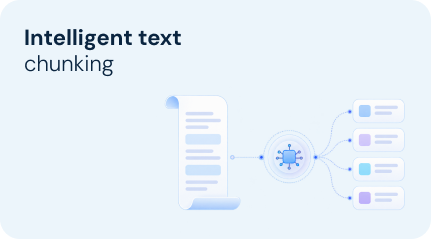
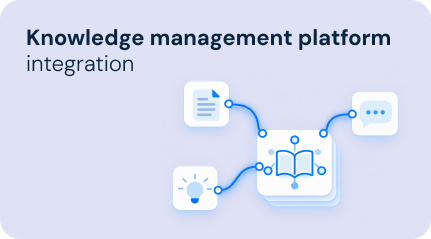
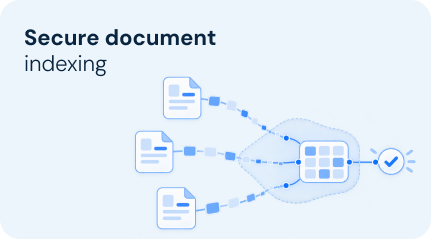
We transform documents, databases, applications, and internal resources into structured, searchable knowledge foundations that AI systems can retrieve and use reliably.
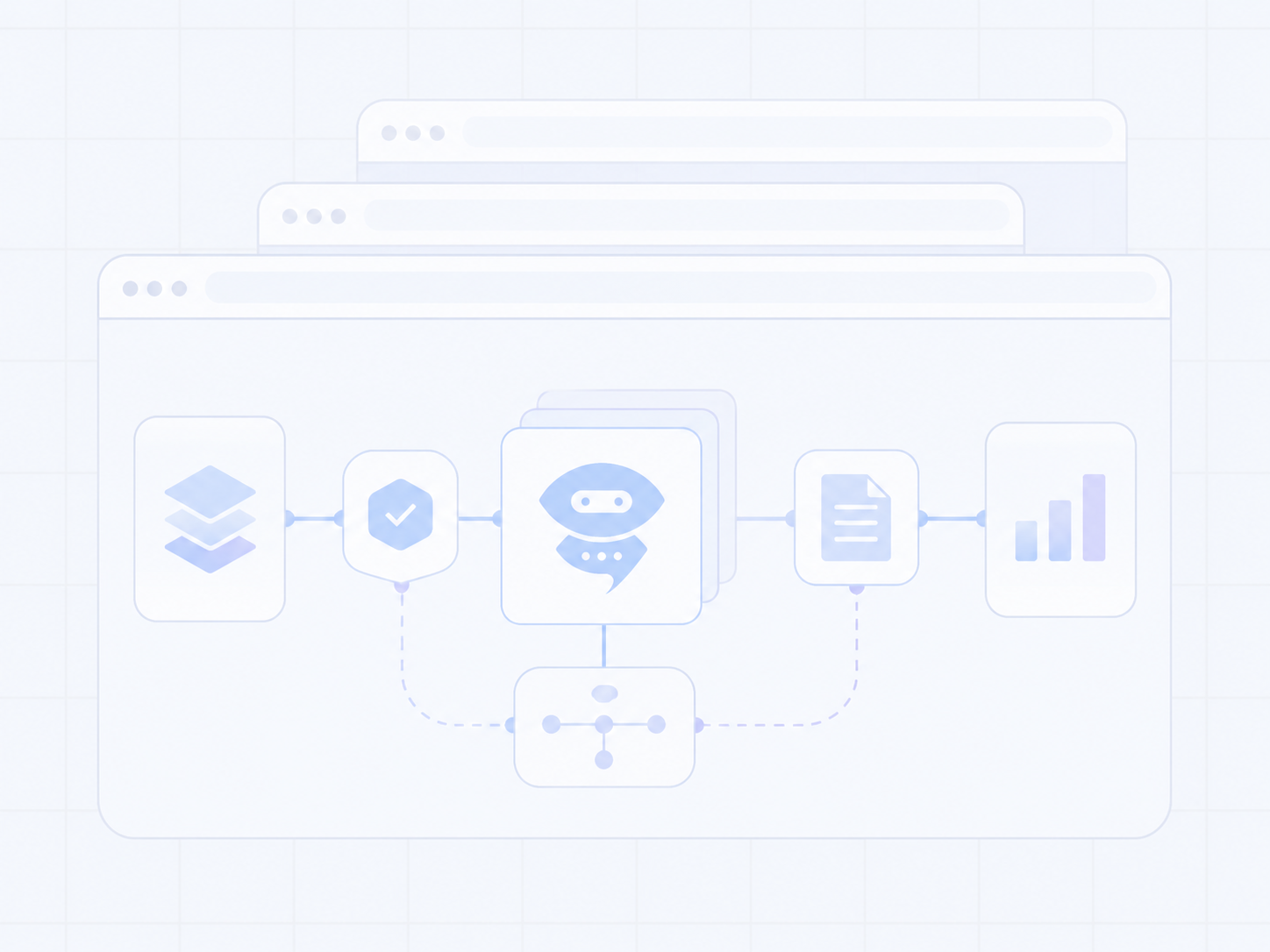
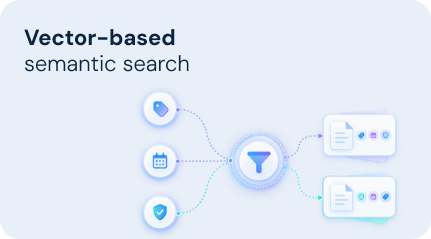
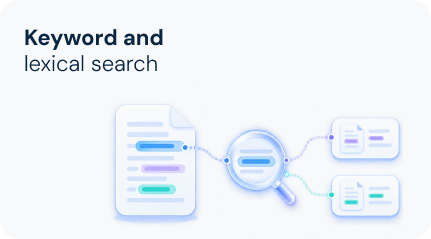
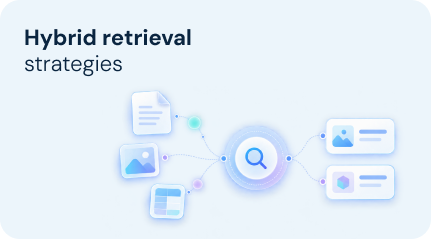
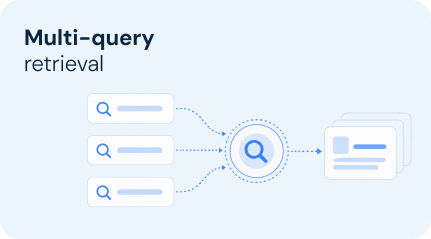
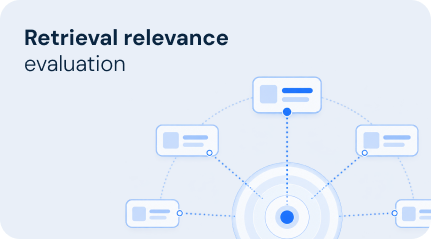
We implement semantic, keyword, and hybrid search capabilities that identify relevant information across complex enterprise datasets and improve retrieval accuracy for AI applications.
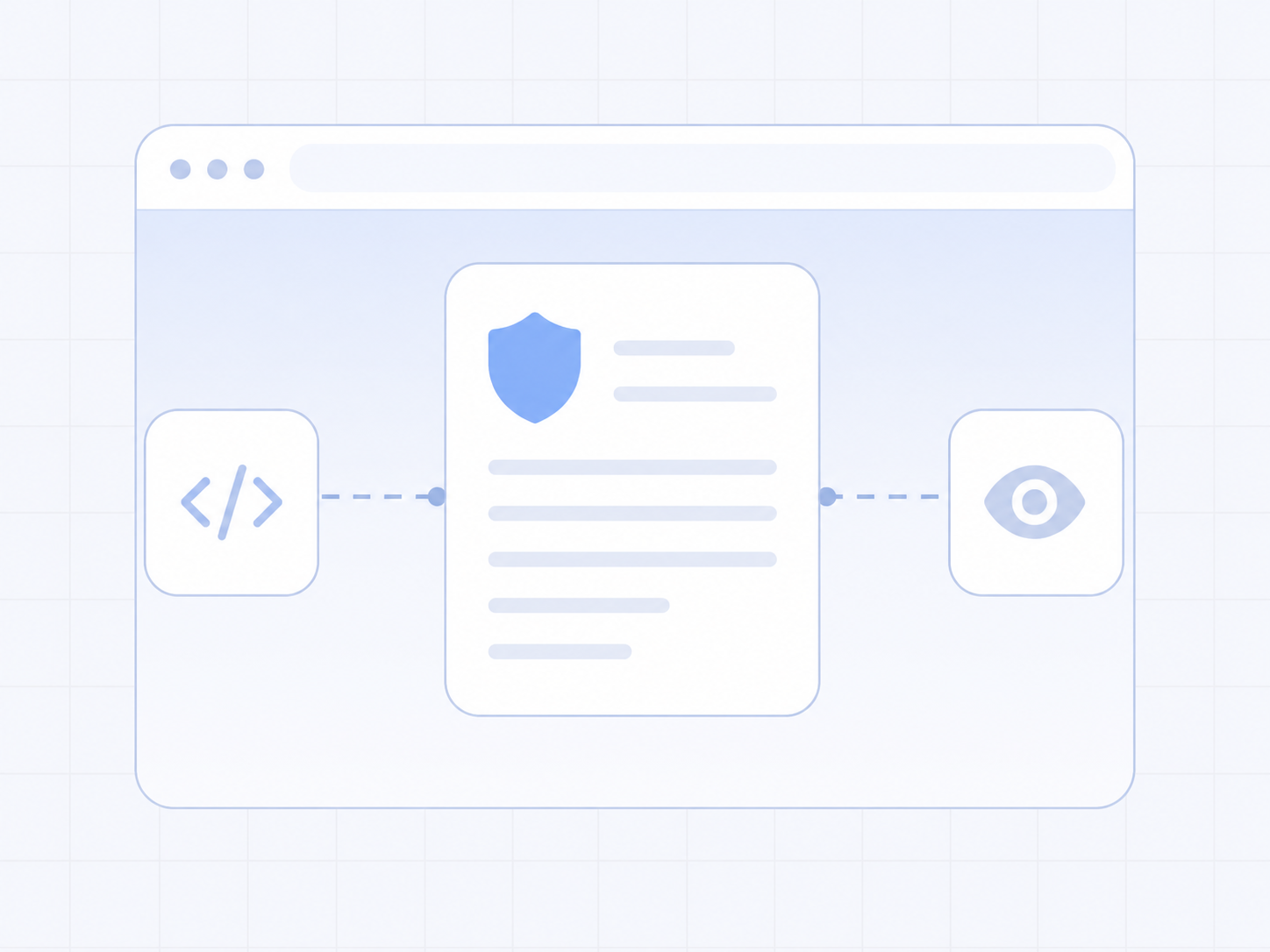
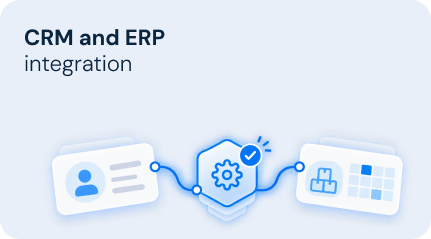
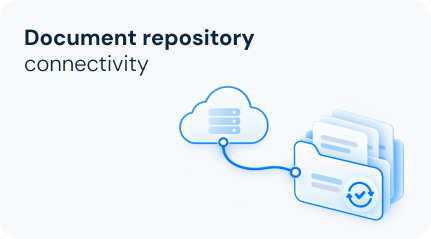
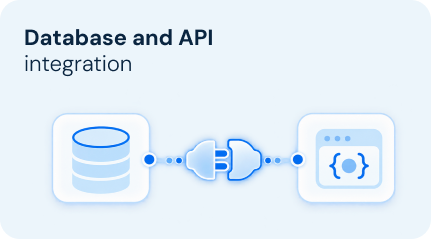
We connect RAG solutions with CRM, ERP, HRMS, support platforms, document repositories, databases, and internal applications to make knowledge accessible through AI.
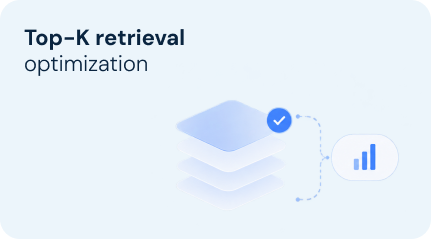
We improve existing RAG implementations by optimizing chunking, embeddings, retrieval strategies, reranking, prompts, latency, relevance, and overall response quality.
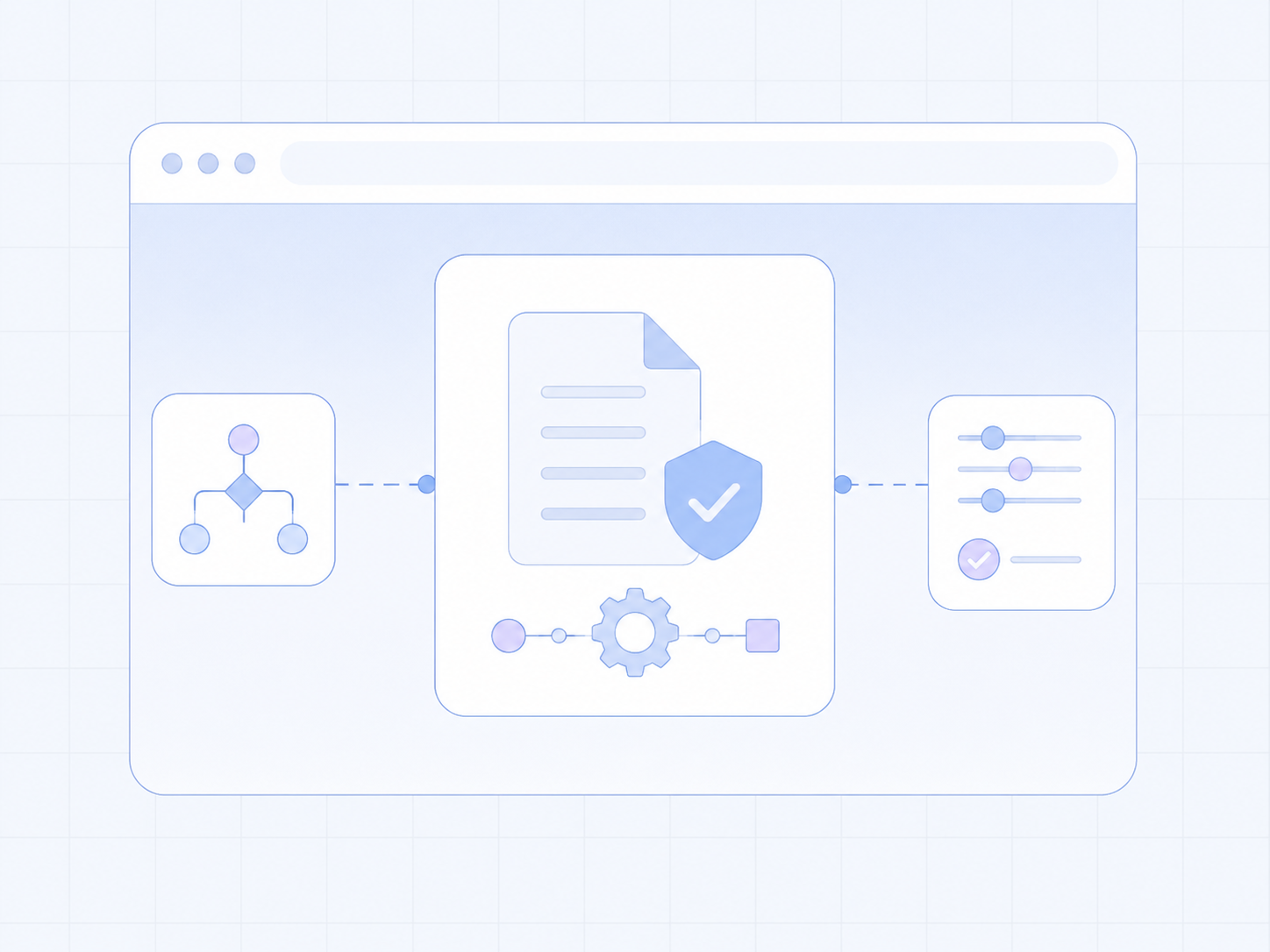
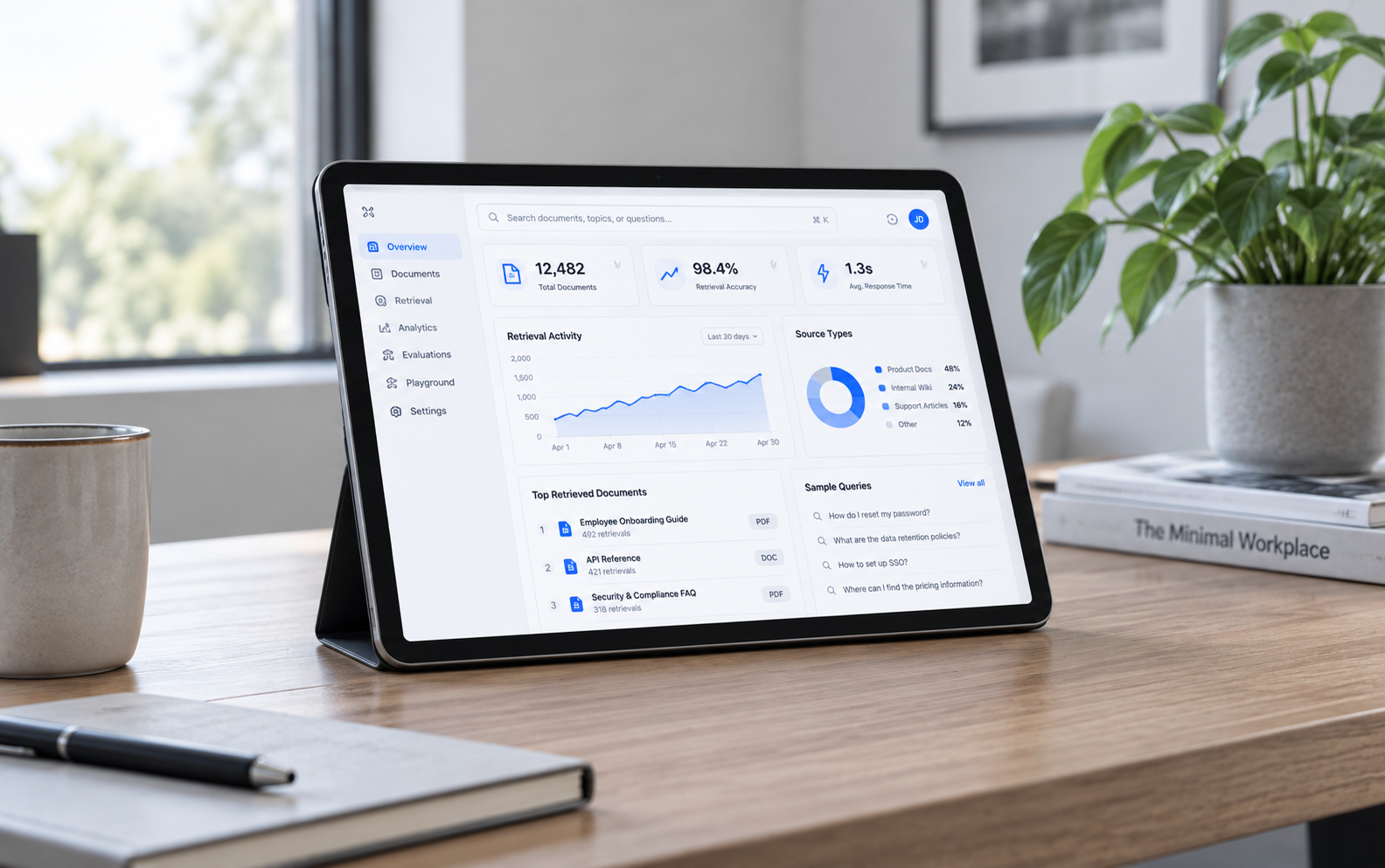
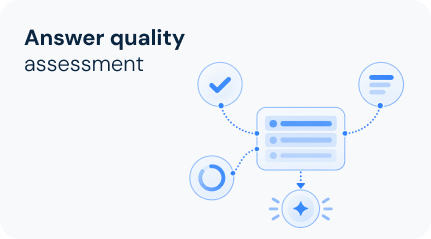
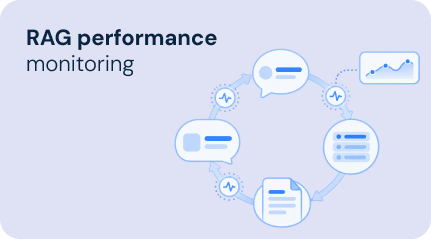
We evaluate retrieval and generation quality while implementing monitoring, testing, observability, performance optimization, and continuous improvement processes for reliable production RAG systems.
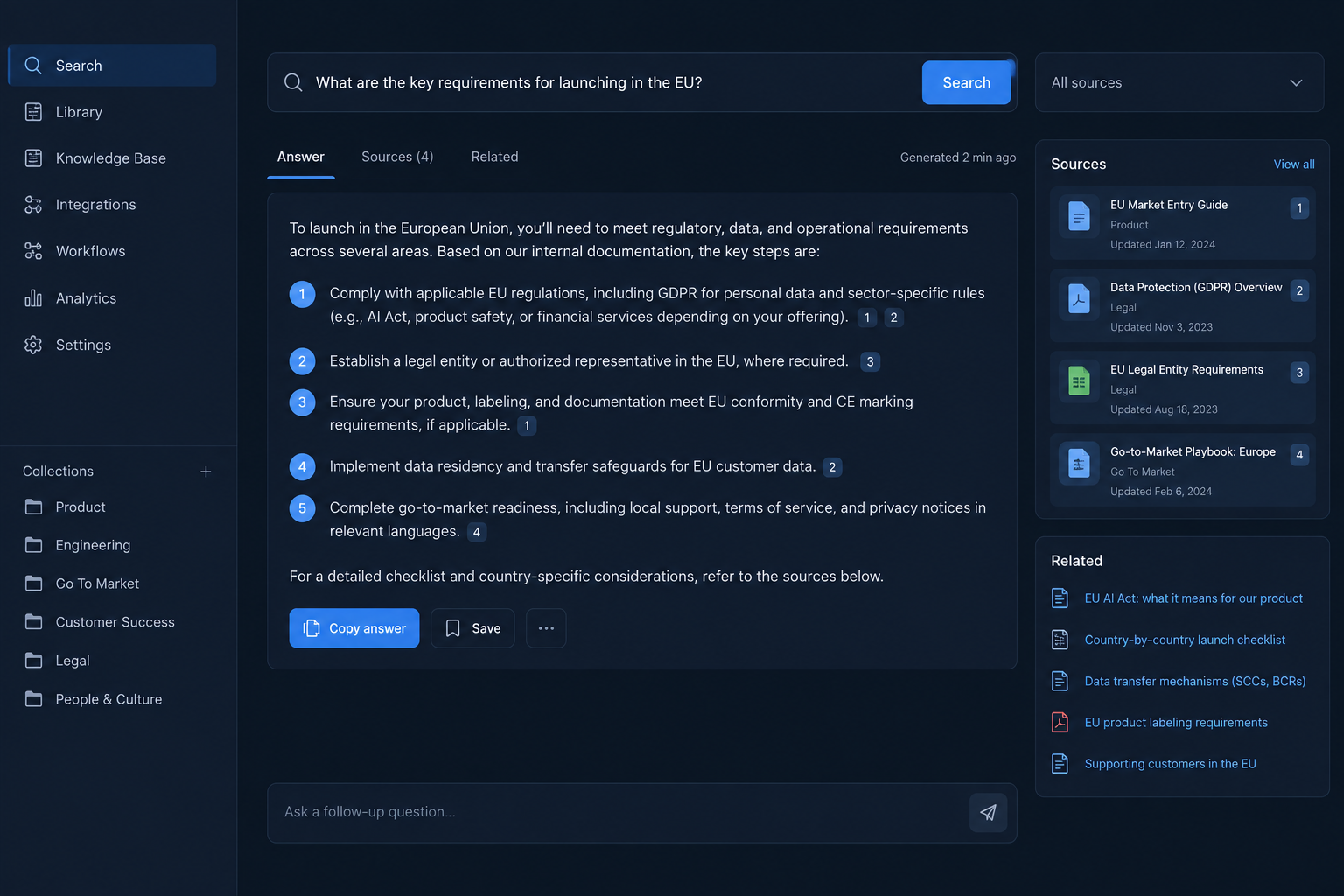
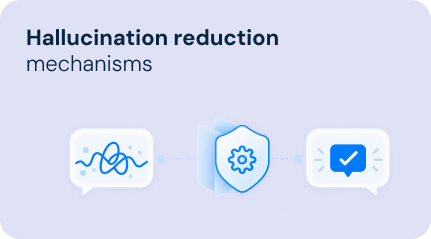
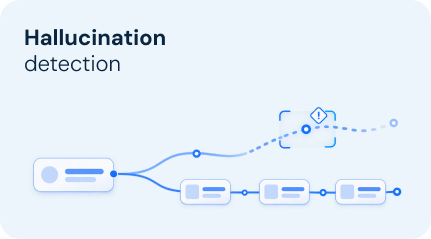
RAG systems connect generative AI with trusted enterprise knowledge, enabling LLMs to retrieve relevant information before generating responses. We build retrieval architectures that improve factual accuracy, reduce hallucinations, and make proprietary business data usable through AI.
From document ingestion and semantic search to vector databases, retrieval pipelines, reranking, grounding, evaluation, and enterprise integrations, we develop scalable RAG systems designed for real-world production workloads.
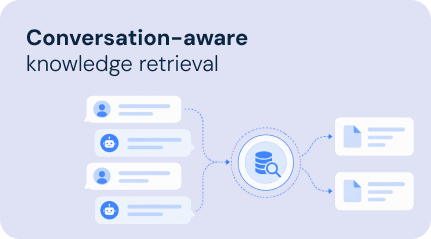
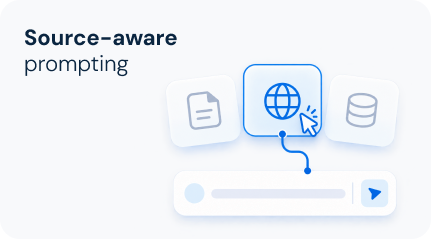
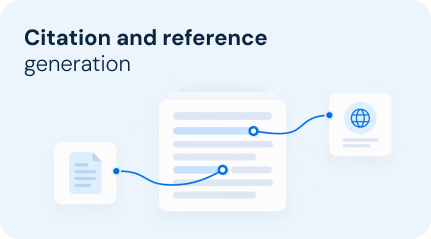
RAG features provide AI applications with reliable access to enterprise knowledge while improving retrieval relevance, response accuracy, and data security. From semantic search and contextual grounding to reranking and source attribution, these capabilities make generative AI more useful for business-critical workflows.
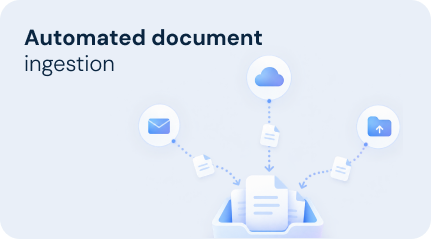
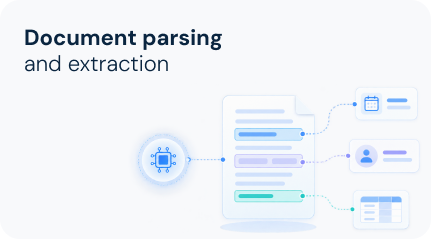

OpenAI GPT-4o / GPT-4.5: We evaluate OpenAI models for enterprise AI use cases requiring advanced reasoning, automation, content generation, and integration with existing business applications.

Anthropic Claude: We assess Claude models for use cases requiring reliable reasoning, long-context processing, structured outputs, and controlled AI interactions within enterprise workflows.

Google Gemini & Llama: We evaluate Gemini for multimodal AI applications and high-volume workloads, and consider Llama where organizations need private infrastructure, greater model control, or specific data residency requirements.

Elasticsearch / OpenSearch: We implement hybrid keyword and semantic search to improve retrieval across structured and unstructured enterprise information.

Azure AI Search: We build enterprise retrieval solutions integrated with Microsoft cloud ecosystems, supporting semantic search, vector search, filtering, and knowledge discovery.

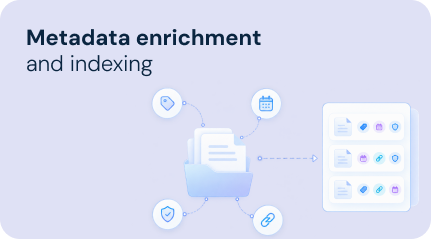
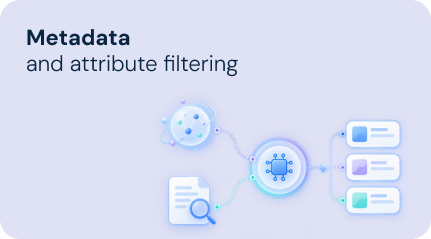
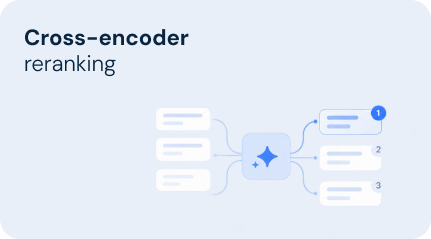
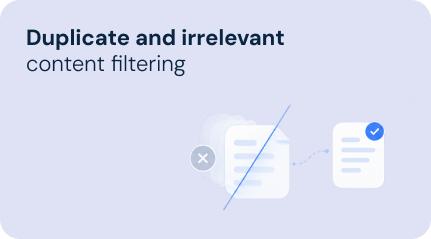
Reranking Models & Metadata Filtering: We reorder retrieved documents by semantic relevance and narrow results by document type, department, permissions, date, or other business attributes.

Pinecone: We use Pinecone for scalable vector search and retrieval architectures supporting production RAG applications with high-volume enterprise knowledge.

Weaviate: We implement Weaviate for vector search, metadata filtering, hybrid retrieval, and knowledge-intensive AI applications.

Qdrant & pgvector: We use Qdrant for high-performance vector similarity search, and integrate pgvector with PostgreSQL when organizations need vector search inside existing relational infrastructure.

LangChain: We use LangChain to orchestrate retrieval pipelines, connect LLMs with enterprise data, and implement modular RAG application workflows.

LlamaIndex: We use LlamaIndex to structure, index, retrieve, and query enterprise knowledge across documents, databases, APIs, and other information sources.

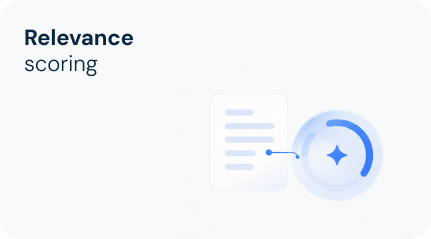
Unstructured & RAG Evaluation Tools: We extract and structure information from PDFs, presentations, spreadsheets, and HTML before indexing, and measure retrieval relevance, answer quality, hallucinations, and latency in production.
Responsible AI helps healthcare organizations deploy AI-powered diagnostics, patient support, and clinical decision systems responsibly. Governance frameworks improve transparency, reduce bias, protect sensitive health data, and ensure compliance with industry regulations while building trust in AI-assisted healthcare services.n.
Responsible AI enables financial institutions to govern fraud detection, credit scoring, risk assessment, and investment models with transparency and accountability. AI governance reduces bias, strengthens regulatory compliance, and improves confidence in automated financial decision-making processes.
Responsible AI supports insurers by governing underwriting, claims processing, fraud detection, and risk assessment models. Governance frameworks improve explainability, minimize algorithmic bias, ensure regulatory compliance, and provide transparent AI-driven decisions that increase trust among policyholders and regulators.
Responsible AI ensures logistics organizations deploy AI-powered routing, demand forecasting, fleet management, and warehouse automation responsibly. Governance frameworks improve transparency, reduce operational risks, support regulatory compliance, and enable reliable, accountable decision-making across complex supply chain operations.
Responsible AI helps educational institutions govern adaptive learning platforms, student analytics, and AI-assisted tutoring responsibly. Governance frameworks improve fairness, protect student data, reduce algorithmic bias, and ensure transparent, ethical AI adoption across learning and administrative environments.
Responsible AI enables organizations to govern AI-powered recruitment, employee analytics, workforce planning, and performance evaluation responsibly. AI governance minimizes hiring bias, increases transparency, protects employee data, and supports fair, accountable decision-making throughout the employee lifecycle.
Book a Call with Our AI Experts
Schedule a ConsultationA phased enterprise roadmap transforms strategic goals into actionable initiatives, milestones, dependencies, and implementation priorities. Development teams gain clearer direction, enabling organizations to move from AI experimentation to production deployment
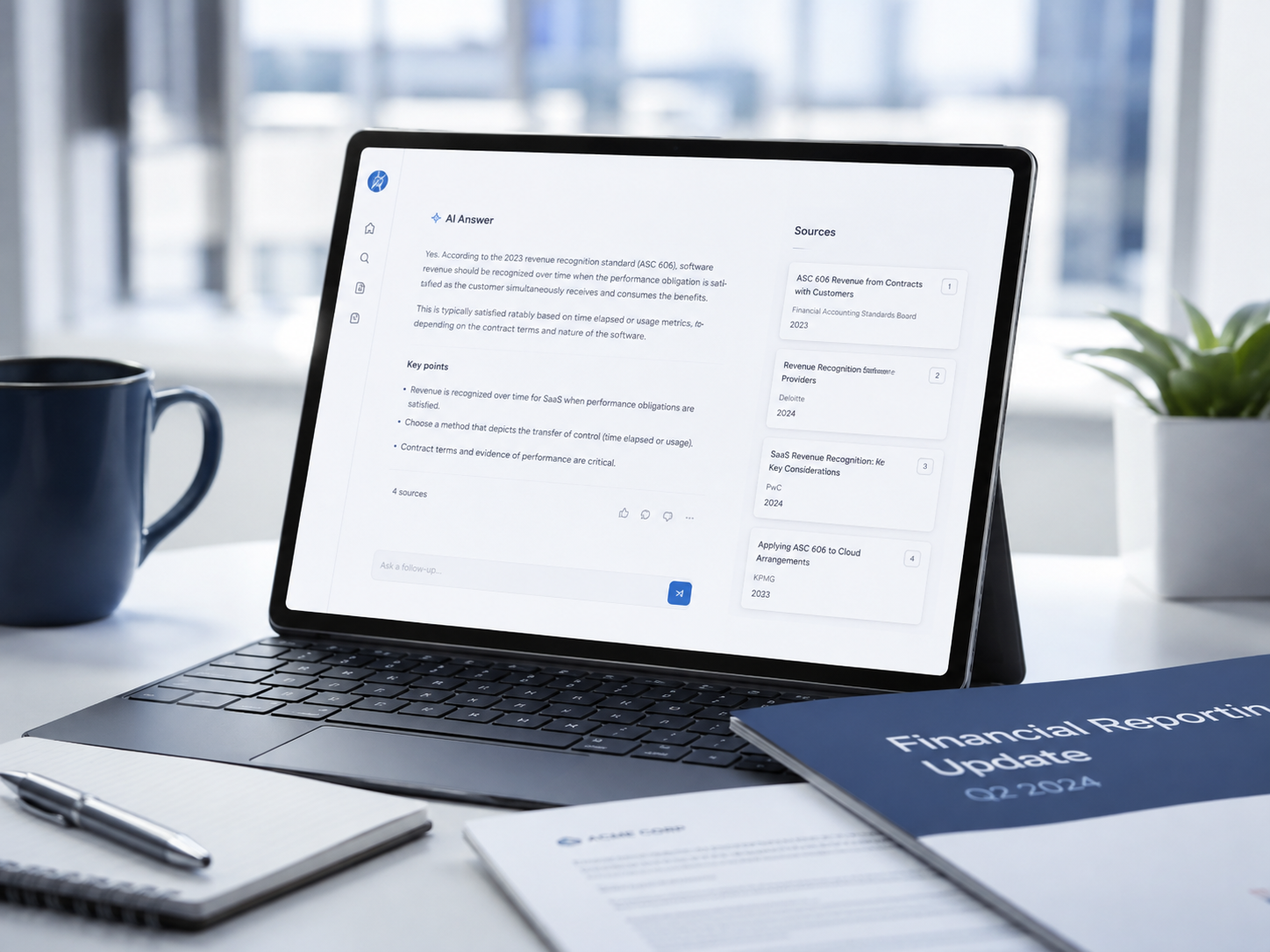
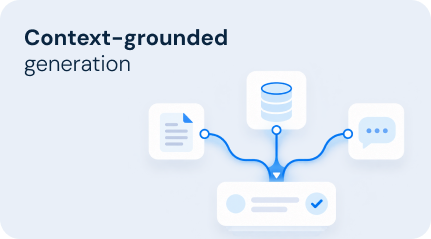
Retrieval-based grounding gives language models relevant source information before generation, reducing unsupported responses and improving reliability for customer-facing and business-critical AI applications.
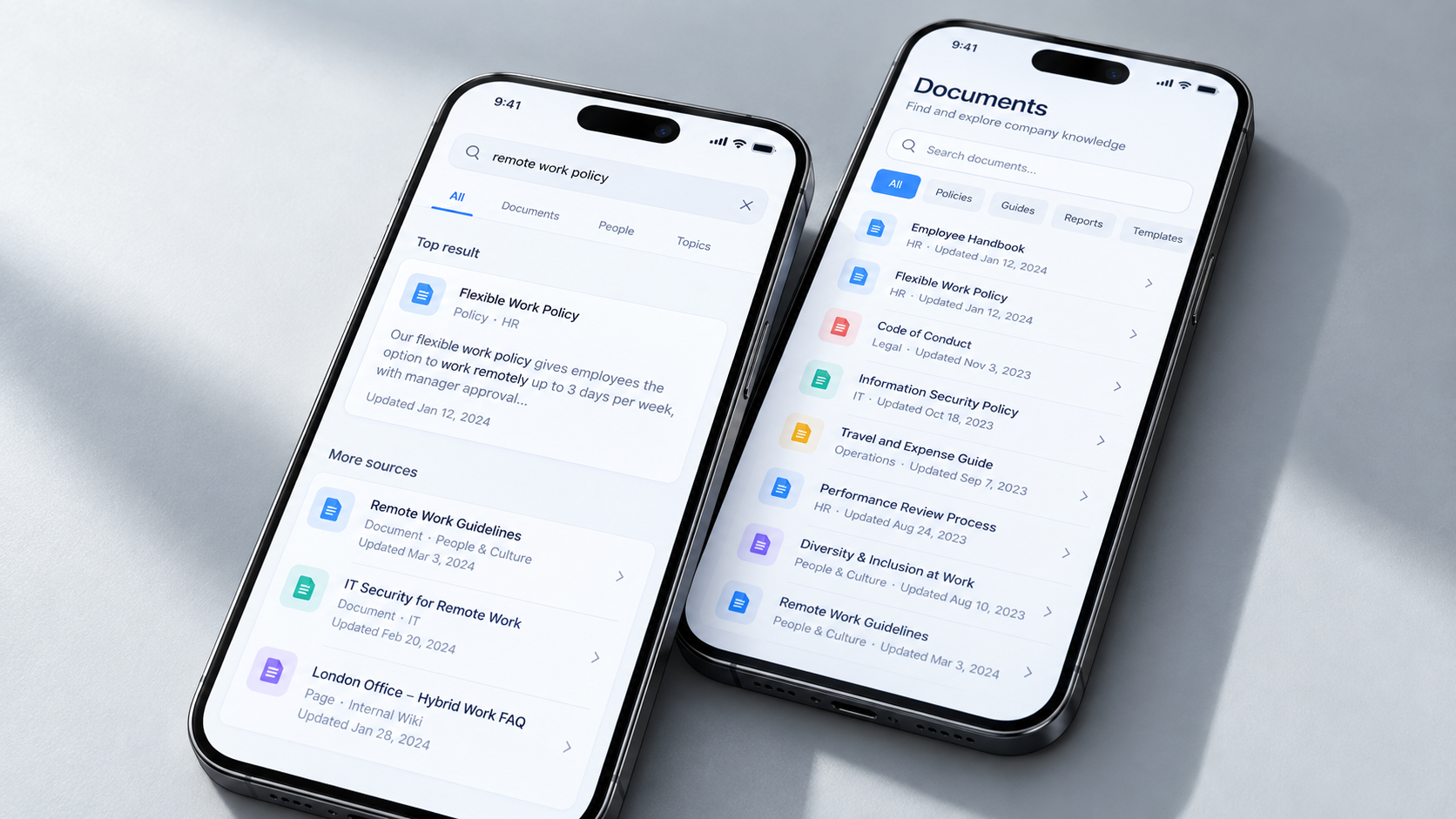
RAG lets employees and customers retrieve relevant information through natural language instead of manually searching across documents, databases, and business systems.
Permission-aware retrieval allows organizations to connect private business knowledge with AI while maintaining access restrictions, data controls, and security policies.
AI applications powered by enterprise knowledge provide more relevant, contextual, and personalized responses, helping customers resolve questions faster and employees find information without manual research.
A well-designed RAG architecture creates a reusable knowledge layer supporting multiple AI applications, departments, and workflows without rebuilding retrieval infrastructure for every new use case.
We're here to help! If you didn't find the answer you were looking for, feel free to reach out to our team.
RAG development services include designing, building, integrating, and optimizing retrieval-augmented generation systems. They typically cover data ingestion, document processing, embeddings, vector databases, semantic search, reranking, LLM integration, security, evaluation, monitoring, and production deployment.
Retrieval-Augmented Generation combines information retrieval with generative AI. Before generating an answer, the system searches relevant enterprise data, retrieves useful context, and provides that information to an LLM, helping produce responses grounded in current and domain-specific knowledge.
RAG systems can reduce manual knowledge search, improve customer support, automate internal information retrieval, enhance document-based workflows, provide AI-powered enterprise search, and enable LLM applications to use proprietary business information without relying solely on model training data.
RAG systems can retrieve information from PDFs, Word documents, websites, databases, CRM and ERP systems, knowledge bases, APIs, cloud storage, support platforms, and other structured or unstructured enterprise data sources.
Yes. We can connect RAG systems with CRM, ERP, HR, support, document management, databases, APIs, and internal knowledge platforms. This allows AI applications to retrieve relevant business information while preserving existing system architecture and access controls.
The timeline depends on the number and complexity of data sources, retrieval requirements, integrations, security controls, and target use cases. A focused RAG MVP can typically be developed within several weeks, while enterprise implementations require additional architecture and integration work.
We start by analyzing your business use case, data sources, existing systems, security requirements, and expected AI outcomes. We then define the RAG architecture, technology stack, implementation scope, and roadmap for developing and deploying the solution.